September 25, 2026
Updated October 22, 2026
Gasoline and diesel HOS waiver runs through December 16, 2026. It is not a blanket HOS shutoff.
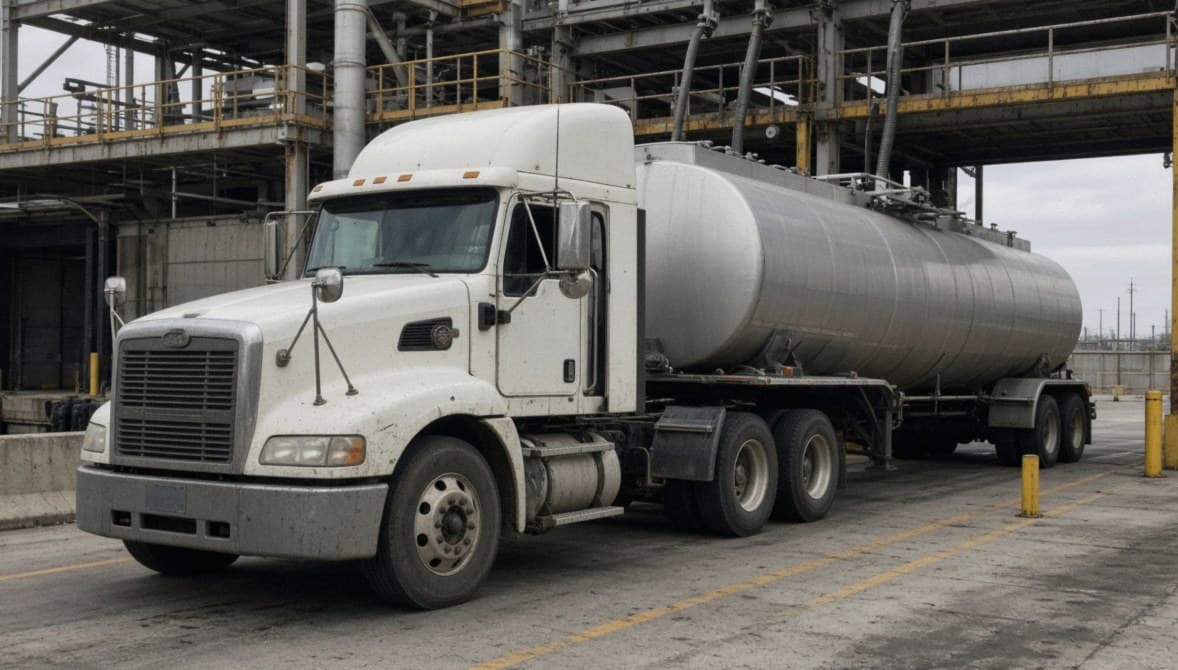
AI-generated image, not a real photo.
Update (October 15, 2026): FMCSA signed an amended waiver that adds ethanol and denatured ethanol to gasoline and diesel fuel. Heating oil is covered only when it rides in a compartmentalized cargo tank load with at least one of those four fuels and makes up no more than 75% of the total shipment at loading. Heating oil by itself is not covered. The dates and the 16-hour driving limit did not change.
This waiver does not turn off hours-of-service rules. It's limited relief for one kind of load, and it comes with its own set of rules you still have to follow.
FMCSA granted a temporary hours-of-service waiver for motor carriers and drivers hauling fuel in interstate commerce. It started at 12:00 a.m. on Wednesday, September 16, 2026, and it runs through 11:59 p.m. on Wednesday, December 16, 2026.
This also isn't an emergency declaration. FMCSA issued it as a waiver, the kind the law only allows for non-emergency, unique events and for no more than three months. So you won't find a "direct support of the emergency" test in it. What matters is the cargo: which fuel you're hauling.
What it waives
The only thing it lifts is the property-carrier limits in 49 CFR 395.3. That's the 11-hour, 14-hour, 30-minute break, and 60/70-hour rules. And it only lifts them while you're hauling gasoline, diesel fuel, ethanol, or denatured ethanol interstate. If you're hauling a dry van, a reefer, a flatbed, or anything that isn't one of those fuels, the normal 395.3 limits apply. One narrow add-on: heating oil counts only when it rides in a compartmentalized cargo tank load with at least one of those four fuels, and the heating oil is no more than 75% of the total shipment when you load it. A straight load of heating oil doesn't count. If someone says "HOS is waived" without naming the covered loads, that's wrong for most trucks.
The waiver also doesn't cover intrastate trips on its own. States can adopt the same relief for their own intrastate traffic. Montana did on September 25, 2026, for gasoline and diesel hauls, before the ethanol add-on. If you run inside one state, check what that state has done.
The rules that apply instead
When you operate under the waiver, these rules replace the normal limits:
- You can't drive more than 16 hours in any 24-hour period. That cap applies even if you're also using a 395.1 exception or some other waiver, exemption, or declaration.
- You need at least 6 hours in a row in the sleeper berth every 24 hours. Without a sleeper berth, it's at least 8 hours in a row off duty every 24 hours.
- Keep a paper or digital copy of the waiver with you and show it if an officer asks.
- Driving back empty to your terminal or your normal work reporting location is covered.
- When you go from operating under the waiver back to normal operations, you need a 10-hour break once your time under the waiver, or waiver plus normal work, hits 14 hours or more.
A tired driver must be allowed to stop
This part matters most. Any time a driver tells the carrier they need rest right now, the carrier has to let them find a safe place to stop immediately and take at least 10 hours off in a row before driving again. That includes the empty trip home. Nothing in this waiver allows a carrier to pressure a tired driver to keep driving.
Who can't use it
- Drivers without a valid CDL and the right endorsements for the truck and the load, or who are under an out-of-service order, disqualified, or have lost their driving privileges.
- Carriers or drivers under an out-of-service order, until they've met the conditions and the issuing jurisdiction has rescinded the order in writing.
- Carriers with a conditional safety rating.
Everything else still applies
The waiver states clearly that nothing else is waived. CDL rules, drug and alcohol testing, insurance, hazmat rules, size and weight limits and FHWA route designations, USDA rules, and the rest of the FMCSRs in Parts 350 through 399 all still apply. You still have to follow every other federal and state requirement, too. You still have to keep your logs. The difference is that you log against the waiver's 16-hour and 6-or-8-hour rules instead of 395.3.
If there's a crash
The carrier has to email FMCSA at MCPSD@DOT.GOV within 2 business days of any crash, as defined in 49 CFR 390.5T, that involves a driver operating under the waiver. The email needs:
- the date of the crash
- the city or town and state where it happened, or the closest one
- the driver's name and license number
- the vehicle number and state license number
- the number of people injured and the number killed
- the police-reported cause, if it's available
- whether the driver was cited for any traffic law or motor carrier safety regulation
- the driver's total on-duty time in the 7 days before the crash, plus on-duty and driving time in that work shift
Keep that list in the safety binder so it's ready if you need it. FMCSA can also ask carriers how many drivers operated under the waiver, so keep a record.
Before your next fuel load
Check that the load is gasoline, diesel, ethanol, or denatured ethanol, or a compartmentalized load that carries at least one of those fuels with heating oil at 75% or less of the total shipment at loading. If it's not, you're on normal hours. Make sure your carrier isn't out of service or conditionally rated. Save the amended waiver to your phone or print it. Plan your 16-hour driving cap and your 6- or 8-hour break inside every 24 hours. And if you're too tired to drive safely, tell the carrier and stop. The waiver guarantees that right.
None of this changes your other filing deadlines. August-first-use Form 2290 was due September 30, 2026. Q3 IFTA closed September 30, and many base states list the return due Monday, November 2, 2026. The Motus biennial-update pause is still on with no end date.
FMCSA can revoke the waiver early, for everyone or for a specific carrier or driver, if it leads to lower safety or no longer fits the goals of federal motor carrier safety law. Unless that happens, it ends at 11:59 p.m. on December 16, 2026.
Sources
- FMCSA: Amended Hours of Service Waiver for the Transportation of Gasoline and Diesel Fuel (issued October 15, 2026; effective 12:00 a.m. September 16 through 11:59 p.m. December 16, 2026; adds ethanol, denatured ethanol, and heating oil in qualifying split tank loads)
- FMCSA amended waiver PDF, signed October 15, 2026
- Original FMCSA waiver PDF, September 16, 2026
- 49 CFR 395.3 (the property-carrier limits waived for covered fuel loads only)
- 49 CFR 390.5T (crash definition used for the 2-business-day notice)
- Montana Executive Order No. 10-2026 (adopts the waiver for intrastate fuel hauls)
- FMCSA: Temporary Suspension of the Biennial Update Requirement (Motus pause still on; last updated September 10, 2026)
- Instructions for Form 2290 (07/2026) (August first use was due September 30, 2026)
- IRS: When Form 2290 taxes are due
- Georgia Department of Revenue, IFTA Due Dates (3rd QTR 2026 due November 2, 2026)
Access date for linked pages: September 25, 2026; amended waiver checked October 22, 2026. Updated October 20, 2026 to clarify the waiver's limits and add the October 15 amendment. Updated October 22, 2026 to add the dated update line and tighten the heating oil wording. Not legal advice. Check the live FMCSA waiver and your load before you log under it.
DueHaul offers trucking tools, guides, and email reminders about dates you enter. These are tools and reminders only. They aren't legal or compliance advice, and they aren't a substitute for keeping required records. You remain responsible for renewals, filings, inspections, insurance, and all other obligations.